
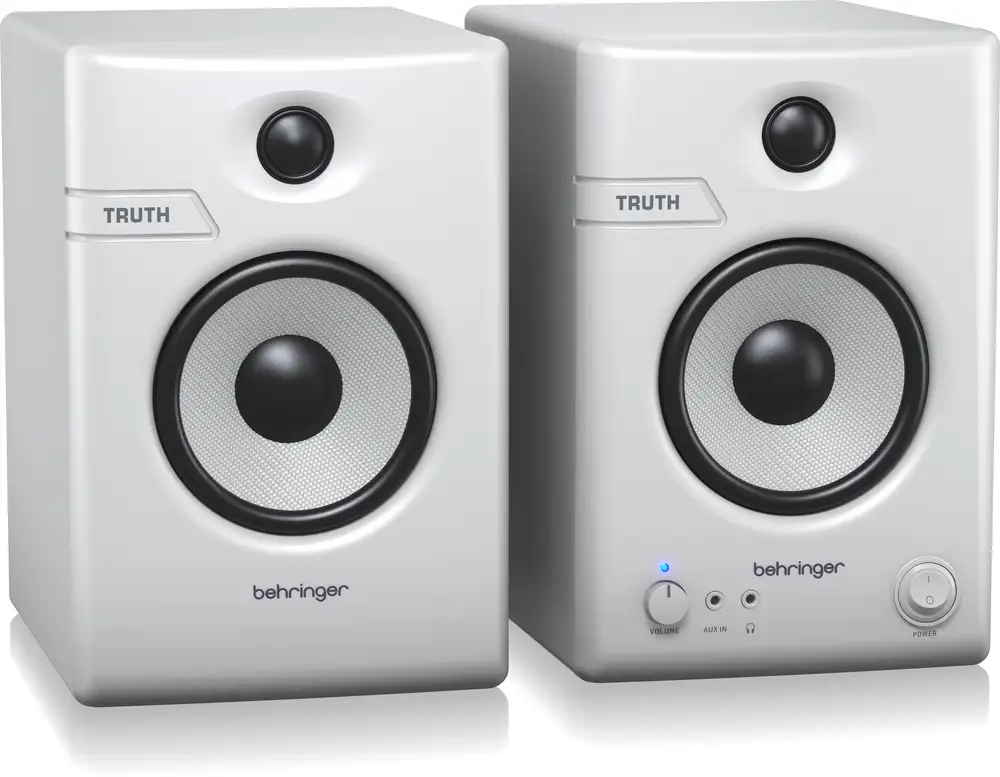

Speakers
$20.00
Speakers are audio output devices that convert electrical signals into sound, allowing us to enjoy music, movies, gaming, and communication with clarity and volume.
Speakers are among the most essential components in the world of audio and multimedia technology. From listening to your favorite music, watching movies with cinematic sound, enjoying immersive gaming experiences, to communicating effectively through online calls, speakers play a vital role in enriching our daily lives. These devices transform electrical audio signals into audible sound waves that our ears can interpret. Over the years, speaker technology has advanced rapidly, evolving from large wooden cabinets to compact, wireless, and smart designs.
In this detailed guide, we will explore the history, types, working principle, features, advantages, applications, and future trends of speakers.
The Evolution of Speakers
The concept of converting electrical signals into sound dates back to the late 19th and early 20th centuries when early experiments led to the invention of the first loudspeakers. The earliest designs were large, heavy, and mostly used in theaters and public spaces. With the development of the telephone and radio, speaker technology became more refined and accessible for everyday use.
In the mid-20th century, hi-fi (high fidelity) systems and stereo sound revolutionized how people consumed audio. The demand for better sound quality led to the development of more compact designs, improved drivers, and advanced sound reproduction techniques. Today, speakers are not just functional but also stylish, wireless, and integrated with smart assistants like Alexa, Google Assistant, or Siri.
How Speakers Work
At their core, speakers operate on a relatively simple principle but involve complex engineering. The main components of a traditional dynamic speaker include:
Diaphragm (Cone): A lightweight membrane that vibrates to produce sound waves.
Voice Coil: A coil of wire that moves when an electrical current passes through it.
Magnet: Creates a magnetic field that interacts with the coil, producing motion.
Suspension & Surround: Hold the diaphragm in place while allowing it to vibrate.
Enclosure (Cabinet): Enhances sound quality and prevents interference.
When an audio signal passes through the speaker’s coil, it creates a varying magnetic field that interacts with the permanent magnet. This motion pushes and pulls the diaphragm, generating sound waves that replicate the original audio signal.
Types of Speakers
Speakers come in many forms, each designed for specific use cases. Below are the major categories:
1. Bookshelf Speakers
Compact speakers designed for small to medium-sized rooms. They are ideal for home theaters, music enthusiasts, or desktop setups.
2. Floorstanding (Tower) Speakers
Tall, powerful speakers with multiple drivers, delivering deep bass and high volume. Common in professional audio setups and home theaters.
3. Portable Bluetooth Speakers
Compact, battery-powered, and wireless speakers that connect to devices via Bluetooth. Perfect for travel, outdoor use, or casual listening.
4. Soundbars
Long, slim speakers designed to sit below or above a TV. They enhance TV audio quality without needing a full home theater system.
5. Subwoofers
Specialized speakers designed to reproduce low-frequency sounds (bass). They add depth and power to music, movies, and games.
6. Computer Speakers
Small desktop speakers optimized for PCs and laptops. Some models come with subwoofers for better bass response.
7. Smart Speakers
Modern speakers integrated with AI assistants. Examples include Amazon Echo, Google Nest Audio, and Apple HomePod. These not only play music but also control smart home devices.
8. In-Wall & In-Ceiling Speakers
Built-in speakers that blend into the walls or ceilings, providing a clean and immersive sound system without taking up floor space.
9. Studio Monitors
High-accuracy speakers used by musicians, producers, and audio engineers. Unlike consumer speakers, they deliver flat, uncolored sound for precise mixing.
Key Features of Modern Speakers
When buying speakers, users look for certain features that improve their experience. These include:
Wireless Connectivity: Bluetooth, Wi-Fi, and NFC support for hassle-free streaming.
Voice Assistant Integration: Ability to control with voice commands.
Multi-Room Audio: Play synchronized music across multiple speakers in different rooms.
Battery Life (for portables): Ranges from a few hours to 24+ hours of playback.
Water & Dust Resistance: Ideal for outdoor and travel use.
Surround Sound Support: For immersive home theater experiences.
Design & Portability: Sleek, lightweight, and easy to carry.
Advantages of Speakers
Enhanced Entertainment: Brings movies, music, and gaming to life with powerful sound.
Improved Communication: Clearer audio for video calls, conferences, and lectures.
Flexibility: From portable Bluetooth units to professional studio monitors, there’s a speaker for every need.
Aesthetic Appeal: Modern designs complement home and office décor.
Smart Integration: Voice control and IoT connectivity make daily tasks easier.
Applications of Speakers
Speakers are used in countless settings, including:
Home Entertainment Systems – TVs, home theaters, and gaming consoles.
Music & Audio Production – Studio monitors for mixing and mastering.
Public Address Systems – Announcements in schools, stadiums, and events.
Computers & Laptops – Desktop speakers for work, study, and entertainment.
Mobile & Travel – Bluetooth speakers for on-the-go listening.
Smart Homes – AI-powered speakers for automation and control.
Challenges & Considerations
While speakers provide immense benefits, users should consider certain factors:
Room Acoustics: Sound quality can vary based on room size and furniture placement.
Power Consumption: Larger speakers consume more electricity.
Price vs. Quality: Premium speakers often deliver better sound but may be costly.
Durability: Outdoor speakers must withstand weather and rough use.
The Future of Speakers
Speaker technology is evolving rapidly. Future trends include:
AI-Powered Audio: Smarter speakers that adapt sound based on user preference and environment.
3D Audio & Spatial Sound: More immersive sound for VR, AR, and gaming.
Eco-Friendly Designs: Sustainable materials and energy-efficient models.
Integration with Wearables: Personalized sound experiences.
Advanced Portability: Ultra-compact speakers with powerful output.
Conclusion
Speakers are not just audio devices; they are gateways to immersive experiences. Whether you’re a music enthusiast, a gamer, a movie lover, or someone who enjoys smart home convenience, there is a speaker designed to meet your needs. With technology advancing at an unprecedented pace, speakers are becoming more powerful, portable, intelligent, and user-friendly.
From the earliest wired models to today’s wireless, AI-driven devices, speakers have redefined how humans interact with sound. As we look to the future, the evolution of speakers will continue to shape entertainment, communication, and daily life in exciting and innovative ways.


Reviews
There are no reviews yet.